Phase 3
Improvement
The risks of severe global climate impacts will continue to grow until more countries take decisive action to steeply reduce emissions.
As a result, climate policy—and the advice provided by climate councils—must continuously evolve to ensure policies remain aligned with the latest scientific evidence. National climate councils will need to engage vertically with subnational and city climate bodies, horizontally across government, and externally with sectoral or constituent councils e.g., energy or youth.
To drive meaningful progress, councils should focus on continuous improvement, regularly assessing and refining their approach to strengthen the effectiveness of climate policy.
Step 12:
Develop a short, medium and long-term
operational strategy.
What different levels of strategy are required? How can the council evolve and grow over time?
Consider:
- Evolving communications and engagement plans that cement the council’s position within climate governance.
- Short-term policy objectives and long-term policy objectives that will shift the dial on climate emissions and build resilience. As your credibility increases, your ability to influence on novel policy areas will increase.
- International timelines and key moments e.g., global stock takes and NDC / NAP deadlines.
- Establishing an international team who can position your work as part of a global climate problem.

Case Study: United Kingdom | Climate Change Committee
Learn about the UK’s planning processes
The UK Climate Change Committee is mandated to advise the government on bi-yearly, yearly, and 5-yearly cycles, allowing for effective long-term planning.
The 2008 Climate Change Act sets out much of the requirements of the Climate Change Committee (CCC), which covers its yearly responsibility to monitor the Government’s mitigation progress, bi-yearly responsibility to monitor the Government’s adaptation progress and 5-yearly responsibilities for providing advice on carbon budgets and national adaptation.
In addition to its statutory responsibilities, the CCC also undertakes complimentary work to grow the evidence base in relevant areas.
The operational strategy of the UK CCC is centred around these responsibilities. Additional detail is set out in the CCC’s Corporate Plan and Framework Documents.

Case Study: European Union | European Scientific Advisory Board on Climate Change
Discover how the European Scientific Advisory Board on Climate Change developed a strategic operational framework
A strategic operational framework can help ensure focus, transparency, and adaptability.
As soon as the Board was established, it prioritised developing a strategic framework to guide its work, including its approach to project management, communication and stakeholder engagement.
Operating independently and transparently, and guided by shared European values, the Advisory Board provides concrete, evidence-based advice to EU institutions, maintaining timely and relevant input through early engagement with policymakers. The Advisory Board builds trusted relationships with the EU scientific community and cooperates closely with national climate advisory bodies. While remaining independent, the Advisory Board engages proactively with a broad range of stakeholders – including governments, think tanks, NGOs, social partners, industry, media, and citizens. This engagement helps raise awareness, share evidence, and gather feedback on EU climate policies and initiatives.

Step 13:
Develop formal and informal engagement mechanisms.
How can you continue to effectively engage government and other key stakeholders?
To stay relevant, councils should continue to effectively engage government at multiple levels. Consider setting up stakeholder engagement meetings and government briefing sessions on a regular basis.

Case Study: Denmark | Klimarådet
Explore how the Danish council presents its recommendations to government
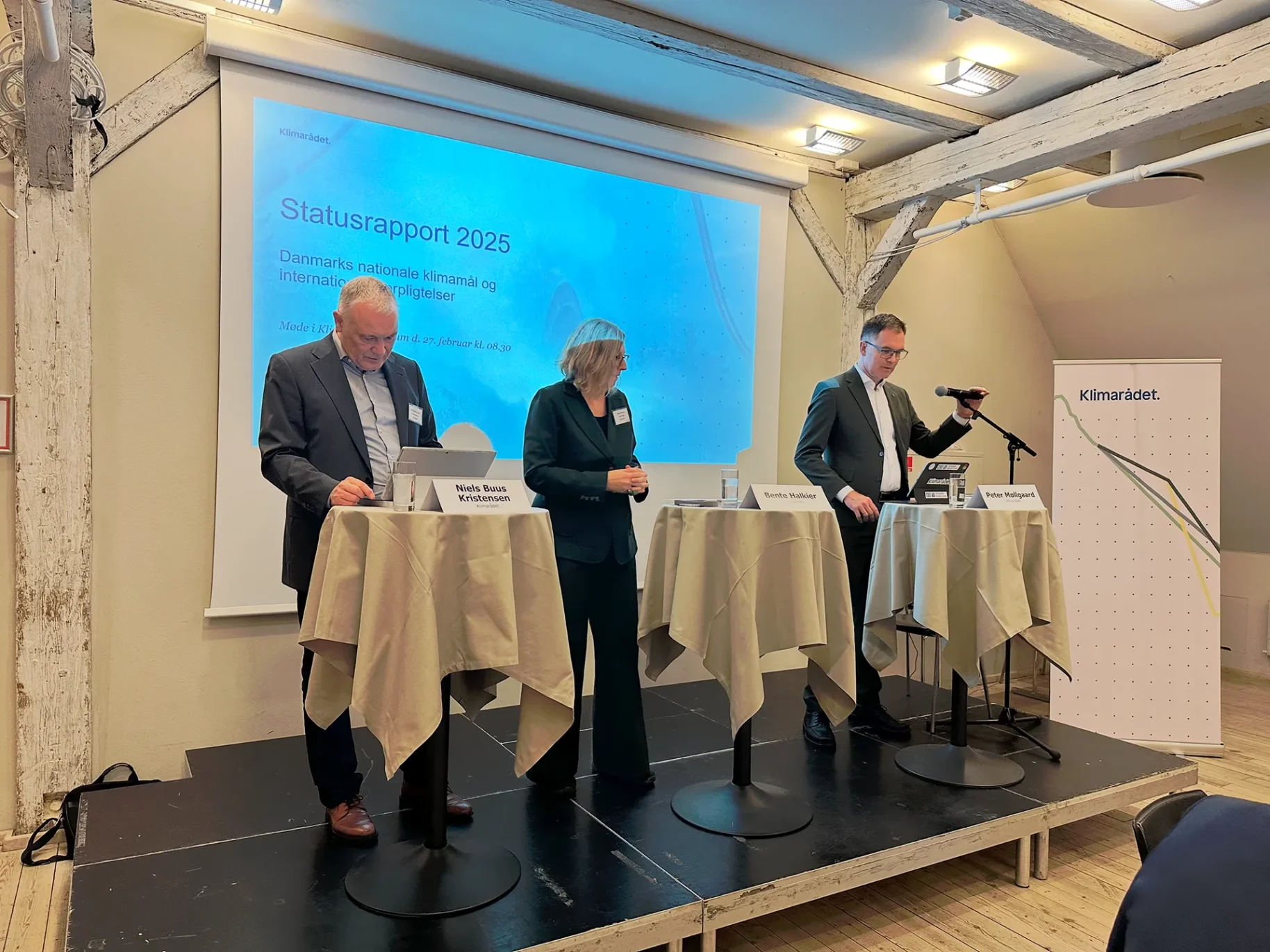
To raise the standing of a climate council, it’s important to secure regular engagement with key government bodies. Denmark’s Climate Change Council does this effectively by presenting its recommendations annually to the Ministry and the Climate, Energy, and Utilities Committee, ensuring ongoing dialogue with parliament and government representatives for follow-up and further discussions.
Each year in February, the Danish Council on Climate Change presents its climate policy recommendations in the recurrent Status Outlook to the Ministry as well as the Climate, Energy and Utilities Committee of the Danish Parliament.
In the case of questions or the need for clarification, the Council subsequently reaches out to the Ministry as well as individual Parliamentary groupings or spokespeople for follow-up. This is also the case when The Danish Council on Climate Change is invited to speak before Parliament or to the Ministry on an ad-hoc basis, e.g. when other reports are published.

Case Study: Australia | Climate Change Authority
Understand the Australian Climate Change Authority secretariat’s public engagement strategy
A secretariat that engages with a wide variety of stakeholders, including business, non-government organisations, indigenous peoples, and a broad range of experts, can bolster a council to provide the government with advice that benefits not only the climate, but also communities.
The Australian Climate Change Authority secretariat aims for best practice consultation, with its approach outlined in its public engagement strategy. The strategy is underpinned by 7 key consultation principles related to transparency, respect and clarity. The Authority aims to consult as broadly as possible to best represent many perspectives, from communities such as First Nations peoples to industry experts and government. The Authority’s trained staff maintain and implement the engagement strategy, consulting on projects in line with Authority principles, project needs and legislated requirements.

Step 14:
Strengthen the council’s position.
How can you strengthen your council’s position? Can you update legislation?
Consider:
- Expert legal advice to advise on technical details.
- A systematic review of policies or large programs within your jurisdiction, to improve your advisory and monitoring powers.

Case Study: Ireland | An Chomhairle Chomhairleach um Athrú Aeráide / Climate Change Advisory Council
Uncover how new legislation in Ireland boosts council authority
As councils grow, updating legislation can help reinforce their role and expand their influence. This example from Ireland highlights how evolving the legal framework can strengthen advisory powers and formalise new responsibilities.
The Climate Action and Low Carbon Development Act was originally signed in 2015 and was subsequently amended in 2021. The main changes for the Council in 2021 were:
- Expanding the numbers on the Council, including identifying a broad range of expertise amongst Council members
- Formalising the Adaptation Committee under the Act to assist and advise on adaptation matters
- The Council preparing proposed 5-year carbon budgets and guidance on their preparation

Step 15:
Evaluate the impact of your council.
How can you showcase your value? How can you improve areas that need development?
Ideally, seek to partner with an independent evaluator that can assess:
- The council’s role in long-term climate planning for better policy and investment decisions.
- The action government took as a result of the council.
- Ways to strengthen the advice of the council.

Case Study: Iceland | Loftslagsráð
Understand the evolution of the Icelandic council
Independent evaluations can help councils demonstrate their value to government whilst simultaneously highlighting areas they need more support, or where adjustments could be made. In Iceland, an independent evaluation led to restructuring of the council.
The Icelandic Climate Council was first established in 2018, with a mandate to provide advice to the government on policy objectives and specific measures related to climate change. Initially, the Council’s composition included representatives from various stakeholder groups, reflecting the need for broad societal engagement during its foundational years.
In 2023, the Council underwent an independent evaluation commissioned by the Ministry of the Environment, Energy and Climate. The following year, the Council underwent significant restructuring, shifting its focus toward a more science-driven advisory role. This reform, guided by the evaluation, a comprehensive government review, and an expert symposium, emphasized the importance of independent expertise in addressing the complex challenges of climate change.
Under this new framework, Council members are appointed based solely on expert knowledge, rather than as representatives of specific interest groups. This change aims to strengthen the Council’s capacity to provide objective, evidence-based guidance. To reinforce this independence, the Council’s operations and budget were made more independent. The newly reorganized Council convened in June 2024 and is now better positioned to drive impactful climate action, aligning its work closely with Iceland’s long-term climate goals.

Case Study: Finland | Suomen ilmastopaneeli / The Finnish Climate Change Panel
Discover the findings of external evaluations of the Finnish Climate Change Panel
Finland’s science-for-policy ecosystem functions as a network rather than a centralized structure, yet it has built strong foundations for dialogue between science and policy. The country has pioneered innovative instruments for connecting knowledge producers, users, and intermediaries.
The Finnish Climate Change Panel is an independent scientific advisory panel mandated by law to support climate policy planning and decision-making. It has provided science-based advice since 2011, initially as a ministry-appointed expert panel. Its role was formally defined in the 2015 Climate Act, updated in 2023, with further details set by government decree.
External evaluations recognize the Finnish Climate Change Panel as a well-known, influential actor in government and public discussions. It exemplifies how independent, multidisciplinary science panels can synthesize knowledge, respond quickly to policy needs, and maintain ongoing policy engagement.
- A memorandum on science advice on climate and nature policy, including a description of the current operating model and its alternatives:
https://ilmastopaneeli.fi/hae-julkaisuja/ilmasto-ja-luontopolitiikan-tiedeneuvonnan-turvaaminen/ (in Finnish) - A discussion paper offering an in-depth analysis of how evidence is used in policymaking in Finland, as well as the different instruments involved:Finland needs strategic direction on its evidence-informed policymaking – Tiedeakatemia

Step 16:
Future-proof your funding model.
How can you maintain influence? Have you considered broader funding models?
Consider:
- How to maintain your influence within the climate policy-making system through funding.
- Philanthropy or blended finance arrangements.
- Secondment models.

Case Study: Canada | Canadian Climate Institute (CCI)
Explore how Canada’s council is ensuring long-term financial security
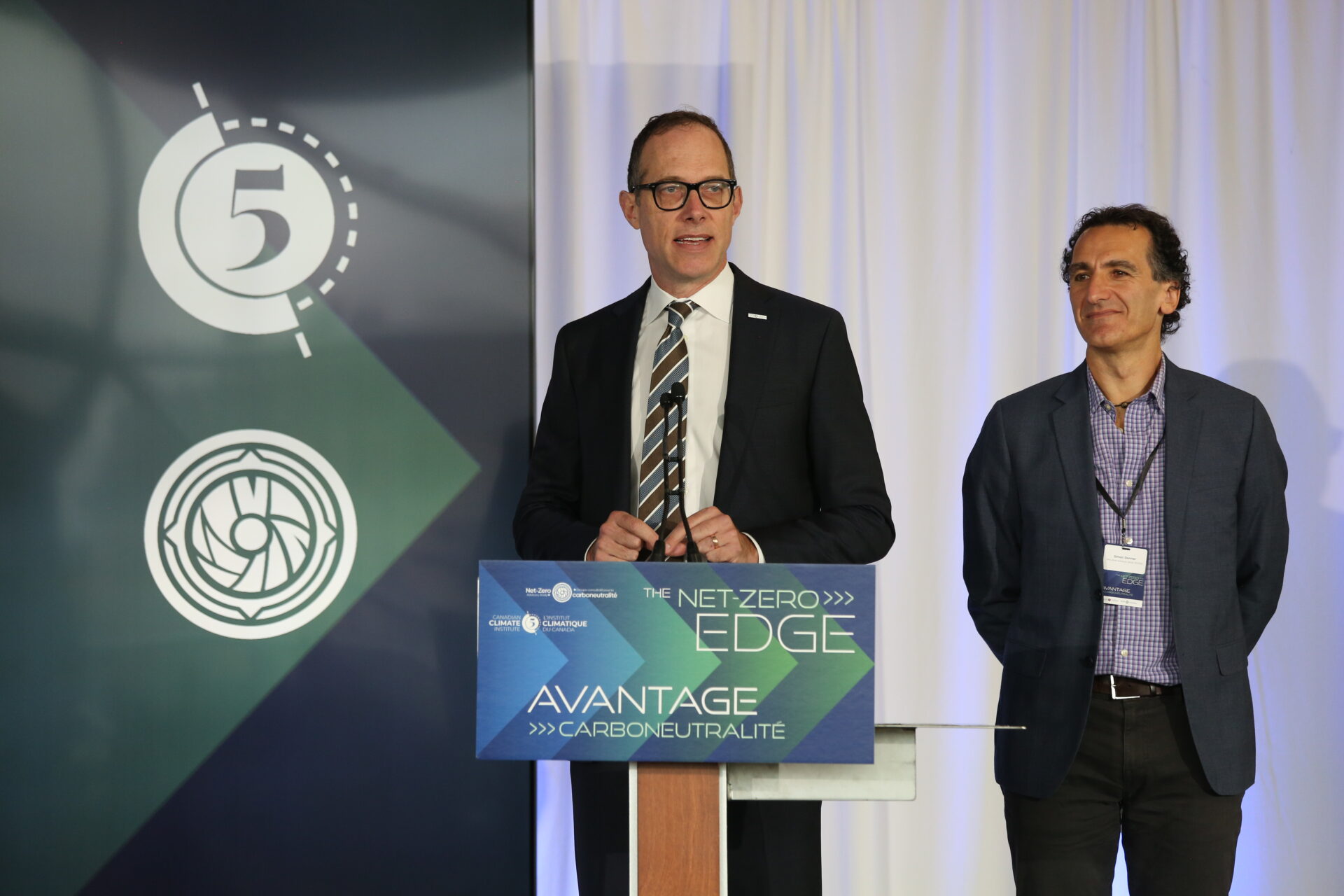
To maintain long-term sustainability and influence, securing diverse funding sources is crucial. The Canadian Climate Institute transitioned from reliance on government grants to attracting private foundations and high-value donations. The Institute’s strategic focus on high-quality research and public events has helped build a strong national profile, ensuring ongoing financial support.
The Canadian Climate Institute was initially funded entirely by a government grant that was renewable every five years but could also be cancelled at the government’s discretion.
From early on, the Institute worked to diversify its funding, focusing on securing support from large private foundations and other high-value donations. The Institute’s ongoing fundraising campaigns have successfully attracted sufficient funding to secure its long term future.
The calibre of the Institute’s research and public events were significant assets in this effort, since their high quality, accessibility, and strategic focus lent the Institute national profile and attracted interest from potential donors.

Case Study: South Africa | Presidential Climate Commission
Learn about how the South African council strategically leverages philanthropic funding
The Presidential Climate commission’s core costs are predominantly funded by the South African government. However, the PCC is also empowered by the Climate Change Act, 2024, to receive additional funding from donors, allowing the organisation to pursue strategic programming.
The PCC’s donor funding landscape is primarily programme-based and explicitly respects the Commission’s independence, with no influence over its mandates or outcomes.
This funding base is largely philanthropic, drawing on partners such as the African Climate Foundation (ACF), Global Energy Alliance for People and Planet (GEAPP), Bloomberg Philanthropies, European Climate Foundation (ECF), Open Society Foundation, Yellowwoods, and the Ford Foundation. In addition, the PCC receives support from international development cooperation agencies, including GIZ, the World Resources Institute (WRI), and UKPACT, as well as multilateral and national development finance institutions such as Agence Française de Développement (AFD) and the World Bank.
Step 17:
Engage in the International Climate Councils Network (ICCN).
How can you collaborate with others? Crucially, do you have an international team to support international work?
Members of the ICCN benefit from:
- Mentoring scheme alongside other climate councils in year one.
- Knowledge-exchange webinars on relevant areas of climate policy.
- Working groups on topics ranging from communications to agricultural policy, to learn from peers and continuously improve.
- A platform at international events like COPs and regional climate weeks.
- International exposure for your work and advice.
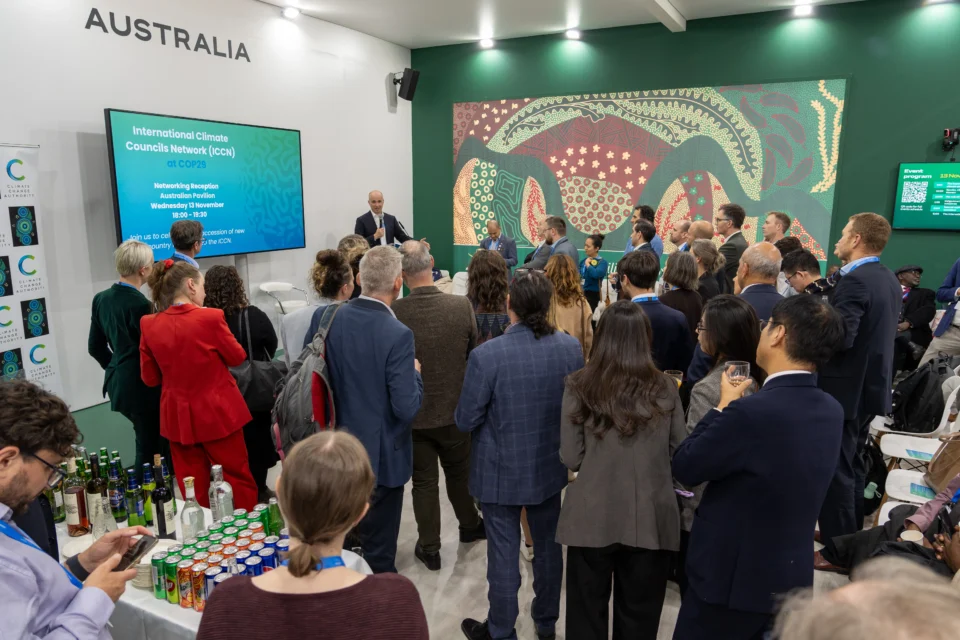
Case Study: Australia | Climate Change Authority
Understand how engagement with the ICCN benefits the Australian council
Engagement with the ICCN allows the Climate Change Authority to connect with partner councils globally to share knowledge and support the development of evidence-based climate advice to government.
Engagement in the ICCN enables the Authority to make the most of international events like COP, interact with like-minded councils to directly inform major projects, and gain insight through technical working groups. These exchanges provide great value to the Authority, growing our professional stakeholder network and helping facilitate efforts to promote the role of advice through independent councils, particularly in the Asia-Pacific region.